
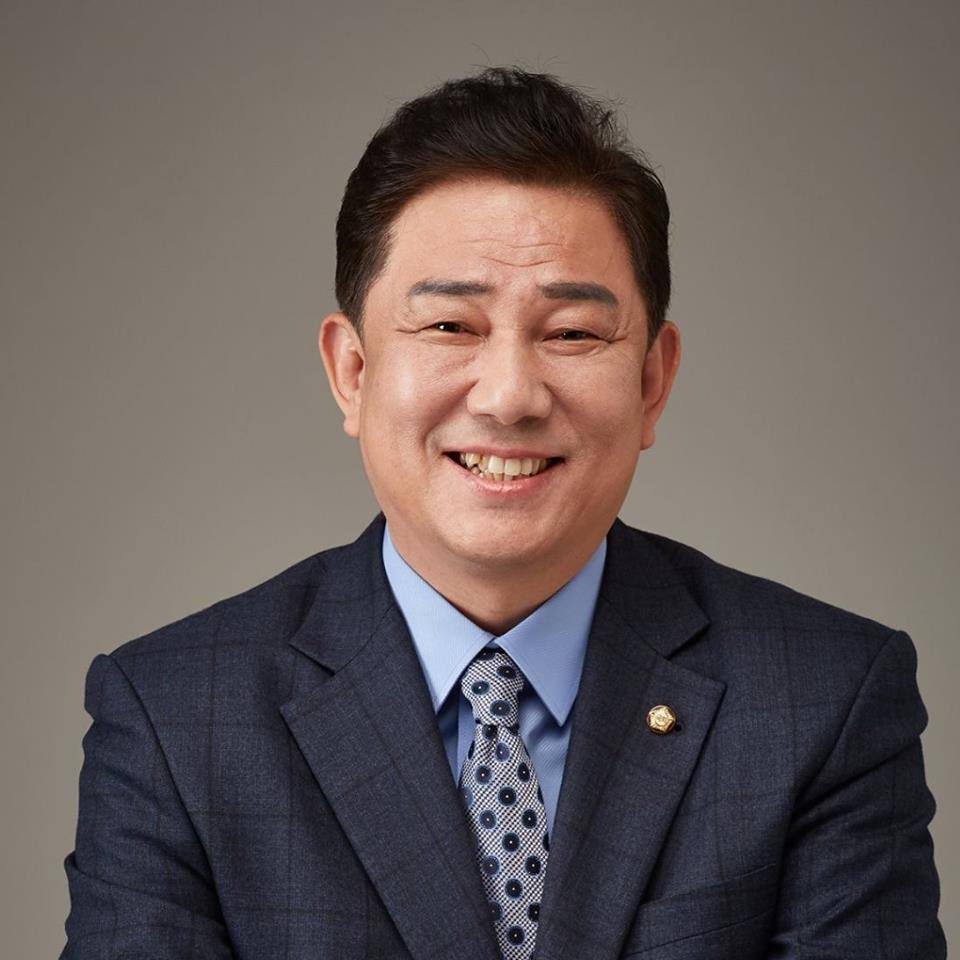
Former Democratic Party floor leader Kim Byung-ki appeared before the party’s Ethics Committee on the 12th, marking a critical juncture of political accountability. Ahead of the meeting, Kim stated that he would respond faithfully to the allegations in order to prove his innocence. However, his appearance is being interpreted as more than a procedural defense, instead serving as a moment that tests the party’s nomination ethics and internal power-control mechanisms. The alleged nomination fund scandal is increasingly viewed as a matter of institutional trust rather than personal morality.
The background of the case lies in the nomination process surrounding the 2020 general election. Kim is accused of having his spouse receive 30 million won from two district council members in Dongjak-gu, an amount that was later returned. He also faces allegations of having tacitly condoned the receipt of 100 million won by then–Assembly member Kang Sun-woo’s side from Seoul City Councilor Kim Kyung. While Kim denies any illegality, the nature of the allegations—linking nominations and money—strikes at the core of the party’s ethical regulations.
The Democratic Party leadership has maintained that it will prioritize the judgment of the Ethics Committee. Internal sentiment, however, has gradually hardened. Senior spokesperson Park Soo-hyun publicly called for Kim’s voluntary departure from the party and mentioned the possibility of expulsion. This move is read as a signal that goes beyond disciplining an individual, reflecting whether the party is willing to actually enforce the ethical standards it has set for itself. This explains why the leadership continues to stress the committee’s independence while simultaneously raising pressure.
Analytically, the case carries significance on three levels. First, allegations of money changing hands during the nomination process damage the party’s image of fairness regardless of their factual outcome. Second, whether disciplinary action is taken against a senior figure who once served as floor leader reveals how internal power structures within the Democratic Party function. Third, the institutional tension among the Ethics Committee, the Supreme Council, and the party leader’s authority has emerged as a key test of governance arrangements.
From a policy and institutional perspective, a party’s ethics system constitutes core infrastructure for political trust. Transparency in election processes is directly tied to the sustainability of democratic institutions. Issues of political fund management transparency, repeatedly flagged by the National Election Commission, are difficult to resolve without strong internal party discipline. How the Democratic Party responds in this case may therefore influence future discussions on reforming political finance systems.
Looking at comparable cases, allegations involving money and nominations have historically been associated with declines in party approval ratings across both ruling and opposition parties. Parties that experienced nomination turmoil during the 2016 general election and opted for short-term damage control were later judged to have failed in restoring long-term trust. By contrast, cases in which internal disciplinary procedures were clearly applied saw a degree of support consolidation after a certain period. These precedents suggest that the current decision represents a structural choice rather than a fleeting political dispute.
In terms of outlook, the possibility of disciplinary action by the party leader’s direct authority remains a variable following the Ethics Committee’s ruling. Party rules allow the Supreme Council to impose sanctions without passing through the Ethics Committee during elections or other extraordinary periods when serious disciplinary grounds exist. While this provision offers institutional flexibility, it also leaves room for political judgment to intervene. The course chosen by the Democratic Party is likely to set a benchmark for handling similar cases in the future.
Ultimately, Kim Byung-ki’s appearance before the Ethics Committee does not hinge solely on whether his claims of innocence are accepted. It raises a structural question about how the Democratic Party balances nomination authority with ethical oversight. Whether a party can apply its own rules equally to all members stands as the central lesson. The outcome of this decision will serve as a measure not only of one politician’s fate but of the prospects for restoring trust in party politics as a whole.