
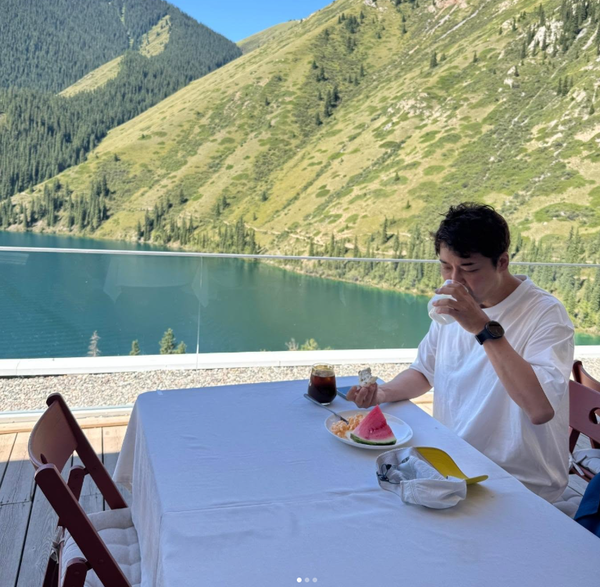
A dispute over how a South Korean variety show portrayed an overseas trip has widened after conflicting explanations emerged about filming support and local driving rules. MBC’s I Live Alone aired episodes on August 14 and 21, 2026 presenting TV host Jeon Hyun-moo’s visit to Almaty, Kazakhstan as an impromptu getaway. On August 25, the production team denied receiving any sponsorship or filming assistance. Yet Almaty’s city website described the shoot as carried out with support from its tourism department, setting up a direct contradiction that has fueled accusations of “manufactured reality.”
In the programs, Jeon is shown heading to the airport with little notice, selecting Almaty as his destination on the spot, and arranging flights, lodging, and a rental car. The narrative framed the trip as a brief, unpredictable break from work, with scenes of the host driving himself around the Kazakh city.
After the broadcasts, viewers familiar with local rules questioned whether the on-screen ease of renting and driving a car in Kazakhstan matched legal requirements. The Embassy of the Republic of Korea in Kazakhstan, in guidance published in February, states that short-term visitors staying up to 60 days who wish to drive using a Korean license must carry the original license and a notarized Russian translation issued by the embassy or consulate. An English-format Korean license or an International Driving Permit alone does not provide a special exemption. The embassy’s materials also note that a rental transaction and the legal eligibility to drive under Kazakh law are separate matters.
Responding to the controversy, MBC said Jeon secured a car by submitting an International Driving Permit and his passport at the airport shortly before departure and reiterated that there was no sponsorship, cooperation, or filming support. The production acknowledged it had not fully verified administrative requirements in advance and said it learned of the notarization rule after consulting the embassy following the broadcast.
Complicating the picture, an August 21 posting on Almaty’s official website promoted the episode and said filming took place with the support of the city’s tourism department. The statement did not specify whether “support” referred to financial sponsorship, in-kind benefits such as lodging or transport, or routine location facilitation. That lack of detail has left the public with two incompatible accounts: a denial from the South Korean broadcaster and a local government reference to support, without clarity on what form it took.
The incident spotlights a recurring tension in South Korean reality-variety television between the promise of spontaneity and the logistics required to shoot overseas. Some pre-planning is standard for permits, coordination, and safety. But when programs double as informal travel guides, the accuracy of practical information becomes consequential—particularly where local law is involved. Additional explanation from MBC and the Almaty authorities would help determine whether the trip’s spontaneity and regulatory compliance were depicted with adequate precision, and where the line should be drawn between entertainment and essential guidance for viewers.