
A new generation of gene-editing technology is fueling intense debate among scientists, fertility specialists and ethicists over how far humanity should go in altering the genetic makeup of future generations.
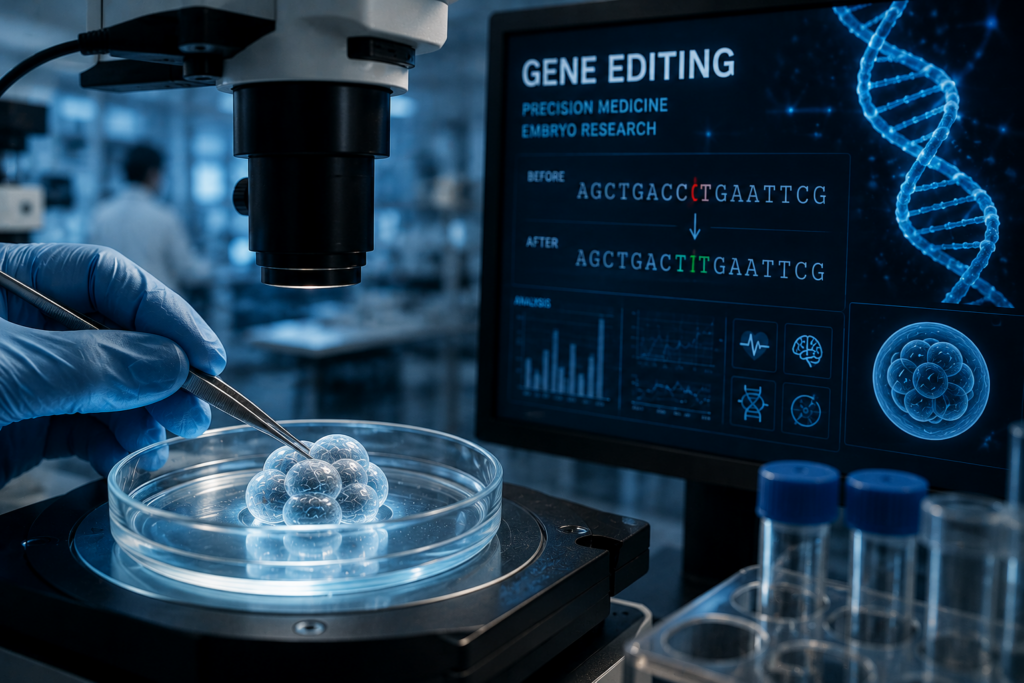
Researchers have recently demonstrated increasingly precise methods for modifying individual DNA sequences in human embryos. Supporters argue that these advances could eventually prevent devastating inherited disorders before birth, potentially transforming the treatment of genetic disease.
The promise of the technology lies in its ability to correct harmful mutations at the earliest stages of development. Scientists envision a future in which conditions passed from parent to child could be dramatically reduced or even eliminated.
Yet the same technology has raised concerns about the possibility of genetic enhancement. Critics warn that once society accepts genetic intervention for medical purposes, pressure could grow to modify traits unrelated to disease, including physical appearance, intelligence or athletic ability.
Bioethicists argue that the challenge extends beyond science. Questions about consent, social inequality and the definition of human enhancement remain unresolved, even as the technology continues to advance.
As research progresses, governments and international organizations face increasing pressure to establish ethical guidelines that balance medical innovation with the protection of human dignity. The debate over embryo gene editing may ultimately shape not only the future of medicine, but also society’s understanding of what it means to be human.
Caption (English)
Advances in embryo gene editing are offering new possibilities for preventing inherited diseases while intensifying global debate over the ethical limits of genetic intervention.