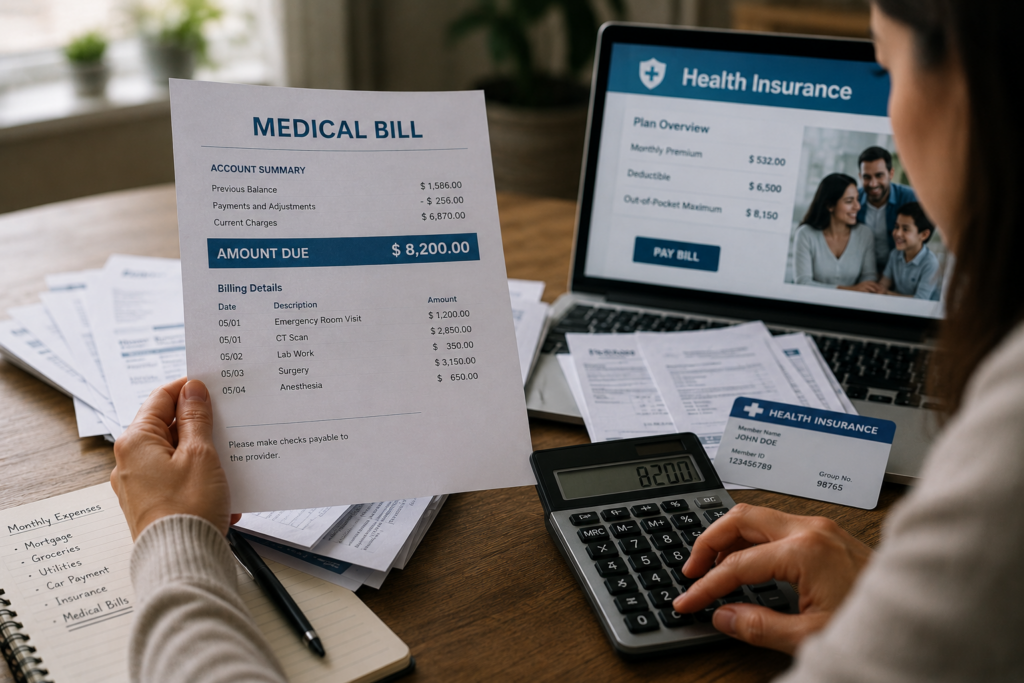
A proposal that could allow health insurance companies to offer loans for medical expenses is fueling debate about the future of health care affordability in the United States.
The discussion comes at a time when millions of Americans continue to struggle with rising deductibles, out-of-pocket costs and unexpected medical bills. Even insured patients can face significant financial hardship after serious illness, surgery or emergency treatment.
Supporters argue that access to insurer-backed loans could provide immediate financial relief and help patients receive necessary care without delaying treatment. In theory, such programs could offer a structured alternative to high-interest credit cards or other forms of consumer debt.
Critics, however, question whether borrowing money to pay medical bills addresses the root problem. They argue that health insurance is intended to protect people from financial risk, not create additional debt obligations. Consumer advocates also warn that repayment burdens could disproportionately affect lower-income households.
The debate highlights broader concerns about the affordability of health care in the United States. As medical costs continue to rise, policymakers, insurers and patient groups face increasing pressure to find solutions that improve access to care while reducing financial strain.
Whether insurer-backed medical loans become a meaningful tool or a controversial burden, the proposal has already intensified discussions about the balance between health coverage and personal debt in modern health care systems.